Not Your Typical Rehab: How Personalized Addiction Treatment Creates Lasting Recovery

Recovery from addiction is not a uniform experience. Each person arrives with a different story, different challenges, and different needs. That is why traditional, one-size-fits-all approaches often fall short. Non-traditional rehab changes this by offering personalized addiction treatment that adapts to the individual rather than forcing the individual to adapt to the program. By combining addiction recovery services, mental health treatment, inpatient and outpatient care, and holistic or faith-based support, this approach creates a stronger foundation for lasting recovery.

Why Personalized Addiction Treatment Matters

Addiction is deeply connected to a person’s life experiences, emotional health, environment, and sometimes unresolved trauma. Because of this complexity, standardized treatment models may not address the full picture.

Personalized addiction treatment focuses on understanding the whole person. It looks beyond substance use to identify underlying causes such as anxiety, depression, trauma, or chronic stress. When treatment is tailored, clients are more engaged, more motivated, and more likely to stay committed to recovery.

This individualized approach is one of the key reasons non-traditional rehab produces more sustainable results for many people.

Building a Treatment Plan Around the Individual

Comprehensive Assessment and Personalized Care

Every recovery journey begins with understanding the individual. Non-traditional rehab starts with a full assessment that evaluates substance use history, mental health conditions, emotional well-being, and personal goals.

From there, a customized treatment plan is created. This plan is not fixed. It evolves as the client progresses, ensuring that care continues to match their needs at every stage of recovery.

A Flexible Approach to Healing

Unlike rigid programs, personalized rehab allows for flexibility. Clients are not placed into a strict structure that ignores their circumstances. Instead, treatment is adjusted to support their real life responsibilities, challenges, and strengths.

Integrated Mental Health and Addiction Treatment

Mental health and addiction are closely connected. Many individuals use substances to cope with emotional pain or untreated mental health conditions. Without addressing both, long-term recovery becomes more difficult.

Non-traditional rehab integrates mental health treatment into every stage of care. Evidence-based therapies help clients understand emotional triggers, process trauma, and develop healthier coping skills.

Common Therapeutic Supports

Treatment may include cognitive behavioral therapy, trauma-informed counseling, and individual therapy sessions. These approaches help clients build emotional awareness and create healthier responses to stress and triggers.

When mental health is treated alongside addiction, recovery becomes more stable and sustainable.

Inpatient and Outpatient Care That Fits Real Life

Structured Healing in Inpatient Treatment

Inpatient care provides a safe and structured environment where individuals can focus fully on recovery. This level of care is often ideal for those who need intensive support, medical supervision, or distance from high-risk environments.

Clients receive consistent therapeutic care, emotional support, and daily structure designed to promote stability and healing.

Flexibility Through Outpatient Programs

Outpatient care allows individuals to continue living at home while attending scheduled treatment sessions. This option is ideal for those balancing work, school, or family responsibilities.

Outpatient treatment helps clients apply recovery tools in real time, making the transition into everyday life more natural and sustainable.

Holistic and Faith-Based Healing Options

Non-traditional rehab goes beyond clinical treatment by supporting the mind, body, and spirit. Holistic care helps clients develop balance and resilience throughout recovery.

Mind Body Wellness Practices

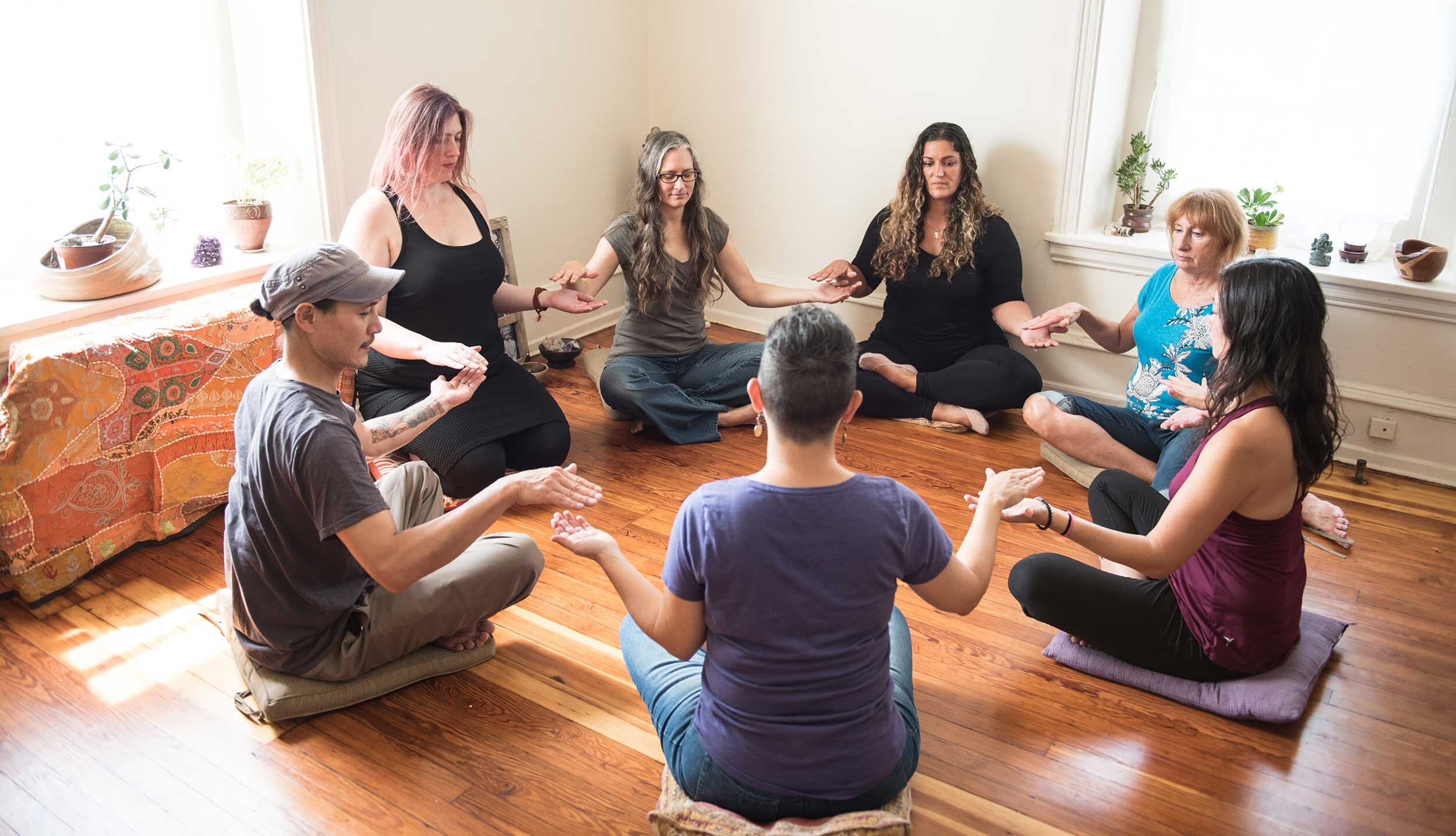
Mindfulness, meditation, yoga, and breathing techniques help reduce stress and improve emotional regulation. These practices give clients practical tools they can use outside of therapy sessions.

Faith-Based Support When Desired

For individuals who value spirituality, faith-based support can provide meaning, hope, and inner strength during recovery. This type of care is always optional and respects each client’s beliefs.

Why Personalized Treatment Leads to Lasting Recovery

Personalized addiction treatment works because it treats the root causes of addiction, not just the symptoms. It also empowers clients to take an active role in their recovery instead of passively following instructions.

By combining individualized care, mental health support, flexible treatment options, and holistic healing, non-traditional rehab helps individuals build real-life skills for long-term success.

This approach creates not only sobriety but also confidence, stability, and emotional resilience.

Taking the First Step Toward a New Way of Recovery

If traditional treatment has not worked or felt too restrictive, a more personalized approach may be the answer. Non-traditional rehab offers compassionate, flexible care designed around the individual, not the system.

Recovery is possible, and it can be built in a way that fits your life. Reaching out for help is the first step toward a healthier, more stable future supported by care that truly understands you.

Why Non-Traditional Rehab Is Changing the Way We Approach Addiction Recovery and Mental Health Care

Addiction recovery and mental health treatment are evolving. For years, many individuals were placed into standardized programs that did not fully reflect their personal struggles, history, or emotional needs. Today, non-traditional rehab is reshaping that experience by offering care that is flexible, individualized, and focused on the whole person. This approach combines addiction recovery services, mental health treatment, inpatient and outpatient care, and holistic or faith-based support to create a more effective and compassionate path forward.

A Shift Away From One-Size-Fits-All Treatment

Traditional rehab models often rely on structured systems that treat every client in a similar way. While structure can be helpful, it does not always account for the complexity of addiction and mental health challenges.

Non-traditional rehab changes this by recognizing that every recovery journey is unique. People come into treatment with different life experiences, trauma histories, mental health conditions, and support systems. A flexible approach allows treatment to adapt to the individual instead of forcing the individual to adapt to the treatment.

This shift is one of the biggest reasons non-traditional rehab is becoming more widely recognized in modern recovery care.

Personalized Addiction Recovery That Meets Real Needs

Individualized Treatment Planning

At the core of non-traditional rehab is personalized care. Each client receives a treatment plan designed specifically for their situation. This includes a full assessment of substance use history, emotional health, and personal goals.

From there, care providers create a plan that may include therapy, group support, holistic practices, and skill building. As progress is made, the plan evolves to continue meeting the client’s needs.

Treating the Whole Person

Addiction is rarely just about substance use. It is often connected to deeper issues such as trauma, stress, anxiety, depression, or unresolved emotional pain. Non-traditional rehab focuses on treating these root causes, not just the symptoms.

By addressing the whole person, clients are more likely to experience long-term recovery instead of short-term change.

Integrated Mental Health Treatment in Recovery

Mental health and addiction are closely linked. Many individuals use substances as a way to cope with emotional distress or untreated mental health conditions.

Non-traditional rehab integrates mental health treatment directly into the recovery process. Evidence-based therapies help clients understand their thoughts, manage emotions, and develop healthier coping strategies.

Common Therapeutic Approaches

Treatment may include cognitive behavioral therapy, trauma-informed counseling, and emotional regulation skills training. These methods help clients process difficult experiences and build stronger mental resilience.

When mental health is treated alongside addiction, recovery becomes more stable and sustainable.

Flexible Inpatient and Outpatient Care Options

Structured Support Through Inpatient Treatment

Inpatient care provides a safe and structured environment where individuals can fully focus on recovery. This level of care is often recommended for those with severe addiction, unstable environments, or complex mental health needs.

Clients receive 24 hour support, therapy, and guidance in a setting designed for healing and stability.

Real Life Recovery Through Outpatient Care

Outpatient programs offer flexibility for individuals who need to balance treatment with work, school, or family responsibilities. Clients attend scheduled therapy sessions while continuing to live at home.

This allows recovery to become part of everyday life, rather than something separate from it.

Holistic and Faith-Based Healing Options

Non-traditional rehab also recognizes the importance of healing beyond clinical treatment. Holistic care supports emotional, physical, and spiritual well-being.

Mind Body Wellness Practices

Approaches such as mindfulness, meditation, yoga, and breathwork help clients reduce stress and improve emotional balance. These tools give individuals healthy ways to cope with triggers and cravings.

Faith-Based Support When Desired

For those who value spirituality, faith-based care can provide strength, purpose, and hope during recovery. This support is always optional and tailored to individual beliefs and comfort levels.

Why Non-Traditional Rehab Is More Effective for Many People

Non-traditional rehab is changing addiction recovery and mental health care because it focuses on personalization, flexibility, and whole-person healing. Instead of expecting clients to fit into a rigid system, it builds care around their needs.

This approach improves engagement, strengthens emotional healing, and supports long-term recovery outcomes. Most importantly, it helps individuals feel understood, respected, and supported throughout their journey.

Taking the First Step Toward a New Approach to Recovery

Choosing to seek help is a powerful decision. If traditional treatment has not worked or if you are looking for a more personalized and compassionate approach, non-traditional rehab may be the right fit.

Recovery is possible, and it does not have to look the same for everyone. With the right support, individuals can build a healthier future that reflects their unique path, strengths, and goals.

From Struggle to Strength: Real Stories of Change in Non-Traditional Rehab

Recovery from addiction is often described as a journey, but for many people it begins in a place of struggle, uncertainty, and emotional exhaustion. What makes the difference is not just the decision to seek help, but the type of care that supports that decision. Non-traditional rehab offers a different path forward, one built on compassion, flexibility, and individualized treatment. Through personalized addiction recovery services, integrated mental health care, inpatient and outpatient options, and holistic support, individuals are able to move from struggle to real, lasting strength.

Understanding the Power of Personalized Recovery

No two recovery stories are the same. Each person enters treatment with a unique history, set of challenges, and personal goals. Non-traditional rehab recognizes this and moves away from rigid, one-size-fits-all programs.

Instead, care is built around the individual. This approach helps clients feel seen and understood, which is often the first step toward meaningful change. When treatment reflects a person’s real needs, engagement increases and recovery becomes more sustainable.

Real Change Starts With Being Understood

Healing the Whole Person

One of the most powerful aspects of non-traditional rehab is its focus on the whole person. Addiction is rarely isolated. It is often connected to mental health struggles, trauma, stress, and long-term emotional pain.

By addressing these underlying factors, clients begin to understand not just what they are overcoming, but why it developed in the first place. This deeper awareness is often what turns a moment of crisis into a turning point.

Integrated Mental Health Treatment

Many individuals in recovery also experience anxiety, depression, or unresolved trauma. Non-traditional rehab integrates mental health treatment directly into addiction care. This ensures that emotional healing happens alongside physical recovery.

Therapies such as individual counseling, trauma-informed care, and evidence-based behavioral approaches help clients build emotional stability and healthier coping strategies. As mental health improves, the foundation for long-term recovery becomes stronger.

From Isolation to Connection in Recovery

The Role of Supportive Care Environments

One common theme in recovery stories is the shift from isolation to connection. Addiction often creates distance between individuals and their families, communities, and even themselves.

In non-traditional rehab, clients are supported in rebuilding trust and connection. Group therapy, peer support, and individualized counseling create a sense of belonging that is essential for healing.

Inpatient and Outpatient Care That Fits Real Life

Recovery does not happen in a single environment. That is why non-traditional rehab offers both inpatient and outpatient care options.

Inpatient treatment provides structure and stability, allowing individuals to focus fully on healing in a safe and supportive setting. Outpatient care offers flexibility, allowing clients to continue recovery while maintaining responsibilities at home, work, or school. This adaptability helps individuals stay connected to treatment while gradually reintegrating into daily life.

Healing Beyond Addiction Through Holistic Support

Restoring Balance in Mind, Body, and Spirit

Many real recovery journeys include more than clinical therapy. Holistic approaches play an important role in helping individuals regain balance and stability.

Mindfulness practices, meditation, creative expression, and physical wellness activities help reduce stress and improve emotional regulation. These tools give clients healthy ways to cope with challenges instead of turning back to substance use.

Faith-Based and Purpose Driven Healing

For some individuals, spiritual support is a meaningful part of recovery. Faith-based care can provide comfort, purpose, and direction during difficult moments. It can also help individuals rebuild a sense of identity beyond addiction.

This support is always optional and tailored to personal beliefs, ensuring that every client feels respected and supported in their own journey.

From Struggle to Strength: What Real Change Looks Like

Real stories of change in non-traditional rehab often share common themes. Clients describe moving from chaos to clarity, from isolation to connection, and from hopelessness to purpose. These transformations do not happen overnight, but they are built through consistent, compassionate care.

Strength in recovery does not mean never struggling again. It means having the tools, support, and confidence to face challenges without returning to substance use.

Taking the First Step Toward Your Own Story of Change

Every recovery story begins with a decision to seek help. Non-traditional rehab offers a path that is compassionate, flexible, and focused on the individual. Through personalized treatment, mental health support, holistic care, and adaptable inpatient and outpatient options, individuals are given the opportunity to rebuild their lives in a meaningful way.

If you or someone you love is ready to move from struggle to strength, reaching out for support can be the beginning of a new chapter. Real change is possible, and it starts with care that truly understands you.

Holistic Healing in Action: Non-Traditional Rehab for Mind, Body, and Spirit

Addiction recovery is most effective when it treats the whole person, not just the symptoms of substance use. Many individuals entering treatment are carrying more than physical dependence. They are also managing emotional pain, mental health challenges, and spiritual disconnection. Holistic healing in non-traditional rehab addresses all of these layers at once, creating a more complete and sustainable path to recovery. By combining addiction recovery services, mental health treatment, inpatient and outpatient care, and individualized holistic approaches, this model helps people rebuild their lives from the inside out.

What Holistic Healing Means in Addiction Recovery

Holistic healing focuses on restoring balance across the mind, body, and spirit. Instead of treating addiction as an isolated condition, it looks at the full picture of a person’s life and experiences.

This approach recognizes that healing is not only about stopping substance use. It is also about learning how to manage emotions, rebuild physical health, and reconnect with purpose and meaning. When all aspects of a person are supported, recovery becomes more stable and lasting.

Treating the Mind: Mental Health and Emotional Healing

Integrated Mental Health Treatment

Mental health plays a central role in addiction recovery. Many individuals struggling with substance use also experience anxiety, depression, trauma, or emotional distress. If these conditions are not addressed, recovery becomes much more difficult.

Non-traditional rehab integrates mental health treatment into every stage of care. Through evidence based therapies, clients learn to understand their thoughts, process trauma, and develop healthier coping skills. This integrated approach helps reduce relapse risk and strengthens emotional stability.

Building Emotional Resilience

Recovery also involves learning how to navigate stress and emotional triggers in daily life. Clients are supported in developing self awareness, emotional regulation skills, and healthier thought patterns. Over time, these tools help build confidence and resilience, making long-term recovery more achievable.

Treating the Body: Physical Wellness in Recovery

Restoring Health and Energy

Substance use often takes a significant toll on the body. Nutrition, sleep, and physical health can all be disrupted during active addiction. Holistic rehab places strong emphasis on restoring physical wellness as part of the healing process.

Balanced nutrition, regular movement, and healthy routines help rebuild strength and energy. As the body heals, mental clarity and emotional stability often improve as well.

Stress Reduction and Nervous System Support

Mind-body practices such as mindfulness, meditation, and breathing exercises help regulate the nervous system. These techniques reduce stress, support relaxation, and provide healthy alternatives for coping with cravings and emotional discomfort.

Treating the Spirit: Purpose and Connection

Faith-Based Support When Desired

For individuals who value spirituality, faith-based support can be a powerful part of recovery. It can provide hope, guidance, and a renewed sense of purpose during difficult moments.

This support is always optional and respects each person’s beliefs and values. The goal is to help individuals reconnect with meaning in a way that feels authentic to them.

Rebuilding Identity and Purpose

Addiction often disconnects people from their sense of identity. Holistic healing encourages individuals to explore who they are beyond addiction. Through reflection, therapy, and personal growth work, clients begin to rebuild confidence and rediscover purpose in life.

Flexible Care Through Inpatient and Outpatient Programs

Non-traditional rehab recognizes that recovery must fit into real life. Inpatient care offers structured support in a safe environment where individuals can focus fully on healing. Outpatient care provides flexibility for those who need to balance treatment with work, school, or family responsibilities.

Many clients move between levels of care as their needs change, ensuring continuous support throughout their recovery journey.

Why Holistic Healing Works in Addiction Recovery

Holistic healing works because it addresses the root causes of addiction rather than just the symptoms. By supporting mental health, physical wellness, and spiritual growth together, individuals are better equipped to handle life’s challenges without returning to substance use.

This approach also empowers clients to take an active role in their recovery. Instead of being passive participants, they become engaged in their own healing process, which strengthens long-term success.

Taking the Next Step Toward Whole-Person Healing

Recovery is not just about breaking free from addiction. It is about building a healthier, more balanced life. Non-traditional rehab offers a compassionate and individualized approach that supports healing in every area of life.

If you or someone you love is ready to explore a more complete path to recovery, reaching out for help can be the beginning of real change. Holistic healing in action means giving yourself the opportunity to recover your mind, body, and spirit with care that is designed for you.

Breaking the Mold: Why Non-Traditional Rehab Works When Others Don’t

Recovery from addiction is not always a straightforward process. Many people enter treatment with hope, only to find that traditional programs feel too rigid, too impersonal, or not fully aligned with their real needs. Non-traditional rehab challenges that experience by offering a more personalized, flexible, and whole-person approach to healing. By combining addiction recovery services, mental health treatment, inpatient and outpatient care, and holistic or faith-based support, this model creates space for real transformation.

Why Traditional Approaches Do Not Work for Everyone

Traditional rehab programs often rely on standardized treatment structures. While these models can be effective for some, they may not fully address the complexity of addiction for others.

Addiction is rarely just about substance use. It is often connected to trauma, mental health conditions, stress, environment, and long-term emotional pain. When treatment focuses only on behavior without addressing deeper causes, individuals may struggle to maintain long-term recovery.

Non-traditional rehab takes a different path by focusing on the full picture of a person’s life.

A More Human Approach to Recovery

Personalized Treatment That Adapts to the Individual

One of the most important differences in non-traditional rehab is individualized care. Instead of placing clients into a fixed program, treatment is built around the person.

This begins with a detailed assessment that looks at mental health history, substance use patterns, emotional needs, and personal goals. From there, a tailored treatment plan is created that evolves as progress is made.

This flexibility helps clients feel seen, heard, and actively involved in their recovery.

Mental Health Treatment at the Core

Addiction and mental health are deeply connected. Anxiety, depression, trauma, and unresolved emotional pain often play a major role in substance use.

Non-traditional rehab integrates mental health treatment into every stage of recovery. Evidence based therapies help individuals understand their thoughts, regulate emotions, and develop healthier coping strategies. Treating both addiction and mental health together leads to stronger and more lasting outcomes.

Flexible Inpatient and Outpatient Care Options

Structured Support Through Inpatient Care

Inpatient treatment provides a safe and structured environment where individuals can focus completely on recovery. This level of care is especially helpful for those with severe addiction, unstable environments, or co-occurring mental health conditions.

With 24 hour support and consistent therapeutic care, clients can stabilize and begin building a foundation for recovery.

Real World Healing With Outpatient Care

Outpatient treatment allows individuals to continue living at home while attending scheduled therapy and support sessions. This flexibility helps clients maintain work, school, or family responsibilities while still receiving care.

Many people benefit from transitioning between inpatient and outpatient levels as their needs change throughout recovery.

Holistic and Faith-Based Healing That Supports the Whole Person

Healing Beyond Symptoms

Non-traditional rehab recognizes that recovery is not only physical. Emotional, mental, and spiritual health all play important roles in long-term healing.

Holistic therapies may include mindfulness practices, meditation, yoga, breathwork, and creative expression. These approaches help reduce stress, improve emotional balance, and strengthen self-awareness.

Faith-Based Support When It Matters

For individuals who value spirituality, faith-based support can provide comfort, purpose, and strength during recovery. It can help individuals reconnect with their values and build a deeper sense of meaning.

This support is always optional and personalized to each person’s beliefs.

Practical Skills for Long Term Success

Recovery does not end when treatment does. Non-traditional rehab focuses on preparing individuals for real life after treatment.

Clients learn practical skills such as stress management, communication, emotional regulation, healthy boundaries, and relapse prevention strategies. These tools help individuals navigate challenges with confidence and stability.

The goal is not only sobriety, but long-term wellness and independence.

Why Non-Traditional Rehab Works

Non-traditional rehab works because it treats people as individuals, not categories. It adapts to the person instead of forcing the person to adapt to the program.

By combining personalized care, mental health treatment, flexible care options, and holistic support, it creates a recovery experience that is both practical and deeply human. This approach addresses the root causes of addiction and supports long-term transformation.

Taking the First Step Toward Change

Choosing to seek help is a powerful decision. If traditional approaches have not worked, or if you are looking for something more personalized and supportive, non-traditional rehab may be the right path.

Recovery is possible, and you do not have to navigate it alone. Reaching out for support can be the first step toward stability, healing, and a healthier future built on your terms.

Your Recovery, Your Way: Exploring Personalized Paths in Non-Traditional Rehab

Recovery from addiction is not a straight line, and it is never the same for two people. What works for one person may not work for another, which is why personalized care has become a cornerstone of effective treatment. Non-traditional rehab embraces this reality by offering flexible, individualized programs that meet people where they are in life. By combining addiction recovery services, mental health treatment, holistic healing, and both inpatient and outpatient care options, this approach helps individuals build recovery on their own terms.

Why Personalized Addiction Recovery Matters

Addiction is deeply personal. It is often connected to life experiences, trauma, mental health challenges, stress, and environment. Because of this complexity, standardized treatment models can feel limiting for many individuals.

Personalized rehab focuses on the whole person instead of just the symptoms of addiction. This means treatment is designed around each client’s history, needs, strengths, and goals. When care is tailored, individuals are more likely to stay engaged, feel understood, and build long-term recovery skills.

Building a Recovery Plan That Fits Your Life

Individual Assessment and Treatment Planning

Non-traditional rehab begins with a comprehensive assessment. This includes substance use history, mental health evaluation, emotional well-being, and personal circumstances. From there, a treatment plan is created that reflects the individual’s specific needs.

This plan is not fixed. It evolves as the client progresses, ensuring that care remains relevant and effective throughout recovery.

Flexibility in Treatment Structure

One of the most important aspects of personalized rehab is flexibility. Clients are not forced into a rigid system. Instead, they can receive care in a way that fits their lifestyle and responsibilities.

Inpatient and Outpatient Care Options

Inpatient Treatment for Full Support

Inpatient rehab provides a structured environment where individuals can fully focus on healing. It is often recommended for those who need intensive support, medical supervision, or distance from triggers in their daily environment.

In this setting, clients receive around the clock care, therapy sessions, and emotional support in a safe and stable environment.

Outpatient Treatment for Real Life Balance

Outpatient care allows individuals to continue living at home while attending scheduled treatment sessions. This option is ideal for those who have work, school, or family responsibilities.

It also supports gradual reintegration into daily life while still maintaining strong therapeutic support. Many clients move between inpatient and outpatient care as their needs change over time.

Mental Health Treatment at the Core of Recovery

Addiction and mental health are closely connected. Many individuals struggling with substance use also experience anxiety, depression, trauma, or emotional distress.

Non-traditional rehab integrates mental health treatment into every stage of recovery. Evidence based therapies help clients understand their emotions, identify triggers, and develop healthier coping strategies.

When mental health is treated alongside addiction, recovery becomes more stable and sustainable.

Holistic and Faith-Based Healing Options

Healing the Mind, Body, and Spirit

Recovery is not just physical. It also involves emotional and spiritual healing. Holistic therapies support overall well-being and help individuals reconnect with themselves in meaningful ways.

Common approaches may include mindfulness, meditation, yoga, breathwork, and creative expression. These tools help reduce stress and improve emotional regulation.

Faith-Based Support for Those Who Want It

For individuals who value spirituality, faith-based support can be an important part of recovery. It can provide strength, purpose, and hope during difficult moments.

This type of care is always optional and respects each individual’s personal beliefs and comfort level.

Practical Tools for Long-Term Recovery

Personalized rehab is not just about treatment. It is about preparing for life after treatment. Clients develop essential skills such as stress management, communication, boundary setting, and relapse prevention.

These tools help individuals navigate real world challenges with confidence and stability. The goal is not just sobriety, but long-term wellness and independence.

Your Recovery, Your Path Forward

There is no single way to recover from addiction. What matters most is finding an approach that respects your individuality and supports your growth. Non-traditional rehab offers that opportunity through personalized care, flexible treatment options, and a compassionate understanding of each person’s journey.

If you or someone you love is ready to take the next step, reaching out for support can be the start of something new. Recovery is possible, and with the right care, it can be built in a way that truly fits your life.

Beyond the Ordinary: How Non-Traditional Rehab Redefines Addiction Recovery

Addiction recovery is a deeply personal journey, and no two paths are exactly alike. Traditional treatment programs often offer structured methods that work for some but leave others feeling restricted or underserved. Non-traditional rehab redefines addiction recovery by providing flexible, individualized care that addresses the whole person—mind, body, and spirit. Through a combination of personalized treatment, mental health support, holistic therapies, and faith-based options, individuals gain the tools they need to build lasting recovery and reclaim their lives.

What Sets Non-Traditional Rehab Apart

Non-traditional rehab focuses on more than abstinence. It is a comprehensive approach designed to meet individuals where they are, understanding that each person’s experience with addiction is unique. The program emphasizes:

  • Personalized care plans tailored to each individual’s needs
  • Integration of mental health support for co-occurring disorders
  • Holistic therapies to promote mind-body wellness
  • Flexible inpatient and outpatient options to support recovery at every stage

Personalized Treatment Plans

At the heart of non-traditional rehab is individualized care. Clinicians conduct thorough assessments of each client’s substance use history, mental health, trauma experiences, and lifestyle. This ensures that treatment plans are not only effective but meaningful. Clients are active participants in designing their recovery, which fosters engagement, accountability, and long-term success.

Integrated Mental Health Support

Many individuals struggling with addiction also face mental health challenges such as anxiety, depression, or trauma. Treating addiction without addressing these underlying issues can hinder progress. Non-traditional rehab integrates mental health treatment alongside addiction recovery, offering therapies such as cognitive behavioral therapy, trauma-informed counseling, and emotional regulation strategies. This holistic approach reduces relapse risk and promotes emotional well-being.

Holistic and Faith-Based Approaches to Healing

Non-traditional rehab recognizes that true recovery involves healing beyond physical abstinence. Holistic therapies support overall wellness and provide clients with practical tools to manage stress, build resilience, and maintain sobriety.

Mind-Body Practices

Practices such as mindfulness, meditation, yoga, and relaxation exercises help clients develop coping skills and manage triggers. These approaches complement traditional therapy by addressing both the physiological and emotional effects of addiction.

Creative and Spiritual Support

Creative therapies, including art, music, and journaling, provide alternative avenues for processing emotions and trauma. For those seeking spiritual guidance, faith-based support can reinforce hope, purpose, and connection, adding depth to the recovery journey. Participation is always optional and tailored to individual beliefs.

Physical Health and Nutrition

Healthy lifestyle habits are an essential component of lasting recovery. Non-traditional rehab programs often incorporate physical wellness, nutrition guidance, and exercise routines to enhance mood, energy, and cognitive function. Supporting the body helps clients sustain mental clarity and emotional balance.

Flexible Inpatient and Outpatient Care

Non-traditional rehab offers both inpatient and outpatient options to fit each individual’s circumstances. Inpatient care provides immersive, structured support for those needing intensive treatment. Outpatient programs allow clients to engage in therapy and recovery activities while maintaining work, school, or family commitments. Many programs allow seamless transitions between inpatient and outpatient care, ensuring continued support and progress.

The Path to Lasting Recovery

Non-traditional rehab goes beyond standard approaches by treating each person as a whole individual, not just a case. By combining personalized care, mental health treatment, holistic and faith-based therapies, and flexible treatment options, it empowers individuals to move from struggle to strength. Clients leave not only with sobriety but with the tools, skills, and confidence to thrive in all areas of life.

Taking the First Step

Recovery begins with a single decision—to seek help and embrace a path that is compassionate, personalized, and effective. Non-traditional rehab offers support at every stage of the journey, helping individuals build a foundation for lasting change. If you or a loved one are ready to explore a recovery path that prioritizes the whole person, reaching out today is the first step toward a healthier, more hopeful future.

Finding Hope Your Way: How Non-Traditional Rehab Supports Mental and Emotional Wellness

Addiction recovery is not just about overcoming substance use—it is about restoring balance, rebuilding confidence, and finding hope in the journey ahead. For many, traditional rehab programs may feel rigid or impersonal, leaving emotional and mental health needs unmet. Non-traditional rehab takes a different approach. By combining personalized treatment, mental health support, holistic therapies, and flexible inpatient and outpatient options, it creates a pathway to wellness that is tailored to each individual.

Why Mental and Emotional Wellness Matters in Recovery

Addiction often develops alongside stress, trauma, anxiety, or depression. These factors can complicate recovery if they are not addressed alongside substance use. Non-traditional rehab emphasizes mental and emotional wellness as a core part of healing. When individuals feel supported emotionally and psychologically, they are more likely to engage fully in treatment, develop resilience, and maintain long-term recovery.

Addressing Co-Occurring Disorders

Mental health and addiction are deeply connected. Anxiety, depression, and trauma can drive substance use and create barriers to recovery. Non-traditional rehab programs provide integrated care, offering therapy and counseling for co-occurring disorders alongside addiction treatment. Evidence-based approaches, including cognitive behavioral therapy and trauma-informed care, equip clients with tools to process emotions and manage triggers effectively.

Personalized Care That Meets You Where You Are

Every recovery journey is unique. Non-traditional rehab programs design individualized treatment plans that reflect each client’s history, challenges, and goals. These plans combine professional therapy, holistic practices, life skills development, and spiritual guidance when desired.

Flexibility Through Inpatient and Outpatient Options

Inpatient care offers a structured environment for those needing intensive support, helping clients focus entirely on recovery while being surrounded by professional care and peer support. Outpatient care provides flexibility for individuals balancing work, school, or family responsibilities while continuing to receive therapy and guidance. Many programs allow seamless transitions between inpatient and outpatient care, supporting ongoing progress and stability.

Holistic Approaches to Emotional and Mental Health

Non-traditional rehab recognizes that lasting recovery comes from addressing the whole person. Holistic therapies support emotional regulation, stress management, and self-awareness.

Mind-Body Practices

Techniques such as mindfulness, meditation, yoga, and guided relaxation help clients develop coping skills, reduce anxiety, and improve overall emotional resilience. These practices reinforce therapy and provide practical tools to manage daily challenges without returning to substance use.

Creative and Spiritual Support

Creative therapies, including art, music, and journaling, offer nonverbal ways to process feelings and trauma. For individuals seeking spiritual growth, faith-based guidance can provide hope, purpose, and a sense of connection, reinforcing recovery and mental wellness.

Physical Health and Nutrition

Supporting the body is a vital part of emotional and mental wellness. Nutrition, exercise, and sleep management improve energy, mood, and mental clarity, making it easier for clients to engage in therapy and maintain recovery.

Building Resilience for Long-Term Success

Non-traditional rehab not only helps individuals overcome addiction but also equips them with tools to navigate life after treatment. Clients learn strategies for stress management, healthy relationships, self-care, and relapse prevention. These practical skills foster confidence and resilience, enabling individuals to maintain sobriety and emotional balance long after leaving the program.

Taking the First Step Toward Hope

Recovery is a journey that requires support, understanding, and personalized care. Non-traditional rehab provides a compassionate and flexible environment where mental and emotional wellness are prioritized. By combining individualized treatment, integrated mental health support, holistic therapies, and adaptable care options, clients can find hope, rebuild their lives, and achieve lasting recovery.

If you or a loved one are ready to explore a recovery path that addresses both addiction and emotional wellness, now is the time to take the first step. Reaching out for support today can open the door to healing, growth, and a brighter, healthier future.

Holistic Healing in Addiction Recovery: Exploring Non-Traditional Rehab Options

Addiction recovery is about more than simply stopping substance use. Lasting change comes from healing the whole person—mind, body, and spirit. Non-traditional rehab programs understand that recovery is not a one-size-fits-all process. By integrating personalized care, mental health treatment, inpatient and outpatient options, and holistic and faith-based approaches, these programs offer a pathway to meaningful and sustainable recovery.

The Role of Holistic Healing in Addiction Recovery

Traditional rehab often focuses primarily on abstinence and behavioral therapy. While these elements are essential, non-traditional rehab recognizes that real recovery involves a broader approach. Holistic healing addresses underlying causes of addiction, supports emotional and physical health, and promotes overall well-being.

Treating the Whole Person

Holistic addiction treatment considers each individual’s emotional, mental, physical, and spiritual needs. By addressing the root causes of substance use, clients can develop healthier coping strategies and build resilience. Holistic care empowers clients to regain control over their lives while reducing the risk of relapse.

Integrating Mental Health Support

Addiction frequently co-occurs with mental health conditions such as anxiety, depression, or trauma. Non-traditional rehab programs provide integrated mental health treatment alongside addiction care. This ensures that both substance use and underlying psychological challenges are addressed simultaneously, improving the chances of long-term recovery.

Non-Traditional Rehab Approaches

Personalized Treatment Plans

Non-traditional rehab programs create individualized treatment plans based on a comprehensive assessment of each client’s history, needs, and goals. These plans combine therapy, counseling, holistic practices, and life skills training to create a recovery path that is tailored and adaptable.

Inpatient and Outpatient Options

Inpatient care provides a structured environment for intensive support, allowing clients to focus solely on recovery without outside distractions. Outpatient programs offer flexibility for individuals balancing work, school, or family responsibilities while receiving professional guidance. Many programs allow clients to transition between inpatient and outpatient care as needed, ensuring continuity and sustained progress.

Holistic and Faith-Based Therapies

Holistic interventions in non-traditional rehab may include mindfulness, meditation, yoga, creative arts therapy, and nutrition support. These therapies help clients manage stress, improve emotional regulation, and enhance physical well-being. For those who find strength in spirituality, faith-based options provide guidance, hope, and a sense of purpose, reinforcing the healing process.

Practical Benefits of Holistic Recovery

Holistic approaches offer concrete benefits for clients in recovery. They help reduce cravings, improve mental clarity, increase self-awareness, and foster emotional balance. By focusing on wellness beyond abstinence, clients build a foundation for a healthier, more fulfilling life.

Additionally, holistic care equips clients with practical life skills such as stress management, healthy routines, and strategies for avoiding relapse. These tools support independence and confidence long after formal treatment ends.

Taking the Next Step Toward Holistic Healing

Recovery is a journey that requires support, compassion, and flexibility. Non-traditional rehab programs offer a human-centered, holistic approach that meets clients where they are and addresses their unique needs. By combining personalized treatment, mental health support, holistic therapies, and flexible care options, these programs create a pathway to lasting healing and personal growth.

If you or a loved one are ready to explore a recovery approach that truly prioritizes the whole person, reaching out today can be the first step toward hope, health, and a stronger future. Holistic healing in addiction recovery is not just an alternative—it is a transformative way to regain control and live well.

From Struggle to Strength: Why Non-Traditional Rehab Changes Lives

Addiction can feel like an insurmountable struggle. The cycle of substance use, guilt, and isolation often leaves individuals feeling powerless. Traditional treatment models may provide structure, but they do not always address the full spectrum of each person’s needs. Non-traditional rehab changes lives by offering a compassionate, personalized, and holistic approach that empowers individuals to move from struggle to strength. Through integrated mental health support, tailored treatment plans, and flexible inpatient and outpatient care, recovery becomes not just possible, but sustainable.

Understanding Non-Traditional Rehab

Non-traditional rehab programs prioritize the individual over the process. Unlike conventional treatment that follows a fixed blueprint, non-traditional programs adapt to each client’s unique challenges, goals, and strengths. This human-centered approach ensures that recovery is meaningful and relevant, fostering motivation and long-term engagement.

Personalized Treatment Plans

At the heart of non-traditional rehab is individualized care. Clinicians assess each client’s substance use history, mental health conditions, trauma experiences, and lifestyle factors. This information is used to create a treatment plan that is flexible, evolving, and tailored to personal goals. By designing recovery around the individual, clients are more likely to feel empowered, understood, and committed to change.

Integrated Mental Health Support

Addiction often coexists with mental health conditions such as anxiety, depression, or PTSD. Treating addiction in isolation can leave underlying issues unaddressed, increasing the risk of relapse. Non-traditional rehab integrates mental health treatment alongside addiction recovery. Therapies such as cognitive behavioral therapy, trauma-informed counseling, and emotional regulation strategies provide clients with tools to manage emotions and reduce triggers for substance use.

Holistic Approaches to Healing

Non-traditional rehab goes beyond traditional therapy by addressing the mind, body, and spirit. Holistic interventions support comprehensive recovery and help individuals build lasting skills for health and wellness.

Mind-Body Practices

Mindfulness, meditation, yoga, and relaxation techniques help regulate stress, improve focus, and strengthen emotional resilience. These practices complement traditional therapy and equip clients with strategies to navigate daily challenges without relying on substances.

Creative and Spiritual Support

Art therapy, music therapy, and journaling provide nonverbal outlets for processing emotions and trauma. For clients seeking spiritual guidance, faith-based support can foster hope, purpose, and community. Participation is optional and tailored to individual beliefs, ensuring that every client feels respected and supported.

Physical Wellness

Nutrition, exercise, and sleep management play a crucial role in recovery. Healthy routines enhance energy, mood, and cognitive function, contributing to overall stability and well-being.

Flexible Inpatient and Outpatient Care

Non-traditional rehab recognizes that each client’s situation is different. Inpatient care provides structured, immersive treatment for individuals requiring intensive support or experiencing complex challenges. Outpatient programs offer flexibility, allowing clients to receive professional care while maintaining work, school, or family responsibilities. Many programs allow clients to transition between inpatient and outpatient care as needed, ensuring continuity and sustained progress.

From Struggle to Strength

Non-traditional rehab changes lives by addressing the whole person rather than just the addiction. Personalized care, integrated mental health treatment, holistic therapies, and flexible treatment options empower clients to move beyond their struggles. Over time, this approach builds resilience, restores confidence, and cultivates hope for a healthier future.

Taking the First Step Toward Change

Recovery is a journey, and the first step is often the hardest. Non-traditional rehab provides a supportive, compassionate environment where individuals can heal, grow, and reclaim their lives. If you or a loved one are ready to move from struggle to strength, now is the time to explore personalized treatment options. Reach out today and take the first step toward lasting recovery and a brighter future.